Fall Sports and Growing Bodies: Keeping Young Athletes Healthy This Season
· Keep It Kinetic Chiropractic
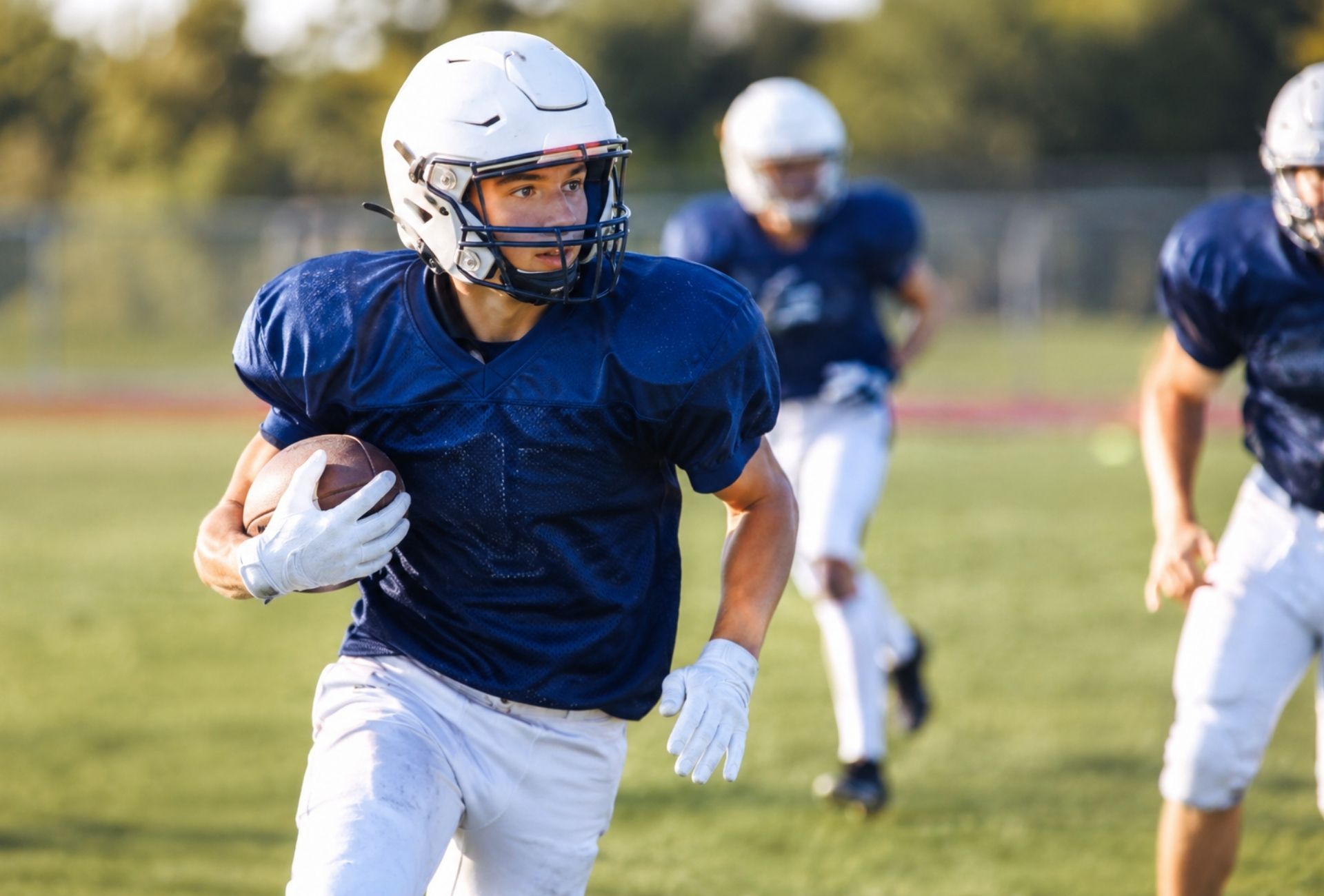
October is when fall sports seasons hit their peak intensity — more games, bigger stakes, and bodies that have been going since August. For young athletes, that combination is also when overuse injuries tend to show up. The good news is that most of them are predictable and preventable.
Why Young Athletes Are at Higher Overuse Risk
Growing bodies handle repetitive stress differently than adult bodies do. The American Academy of Pediatrics notes that an estimated half of all sports-related injuries in children result from overuse. Growth plates — the areas of developing cartilage near the ends of growing bones — are more vulnerable to stress than the surrounding tissue, which is why certain conditions like Osgood-Schlatter (knee pain in adolescents) show up specifically during growth spurts and peak training periods.
The pattern the AAP flags most often: children who specialize in a single sport year-round without adequate rest. The bones, tendons, and muscles need recovery time to adapt to the demands placed on them. Without it, the accumulated stress can exceed the tissue's ability to repair itself.
What Overuse Injuries Look Like
Unlike acute injuries — the sprained ankle from a specific fall, the collision that causes immediate pain — overuse injuries tend to build gradually. Warning signs worth paying attention to:
- Pain that appears during or after practice and gets progressively worse over the season
- Swelling, tenderness, or stiffness around a joint or growth plate area (knee, heel, shoulder, elbow)
- A change in technique or movement pattern, often a sign an athlete is compensating for discomfort
- Complaints of fatigue that seem disproportionate to the training load
- Any pain that persists into the next day after rest
The American Academy of Orthopaedic Surgeons emphasizes that young athletes who play on multiple teams in a single season are especially at risk. More volume without more recovery is the core problem.
Prevention Habits That Actually Help
- At least one rest day per week from organized sport. Non-negotiable. Muscles and tendons repair during rest, not during training.
- Adequate off-season. The American Academy of Family Physicians recommends at least two to three months per year away from the primary sport to allow full physical and psychological recovery.
- Cross-training during off-season. Playing a different sport or doing varied activity develops different movement patterns and reduces the repetitive-stress accumulation from a single motion repeated hundreds of times a week.
- Warm-up and cool-down, taken seriously. Dynamic warm-up before activity, static stretching and light movement after — not optional steps athletes can skip when they're in a hurry.
- Load management. If a young athlete is moving from one sport season directly into another, or playing on both a school and club team simultaneously, someone needs to be watching the total weekly load.
When to Bring Your Athlete In
The biggest risk with overuse injuries is pushing through them. An athlete who plays through persistent joint pain risks turning a manageable overuse condition into a stress fracture or growth plate injury that requires weeks of rest instead of a few targeted sessions of care. If your child mentions that an area “always hurts during practice,” or if you notice them favoring a limb or moving differently than usual, an evaluation is worth scheduling — not waiting until the season ends. A few sessions to address the underlying issue now is almost always faster than the recovery from an injury that's been pushed through for six more weeks.
How Chiropractic Care May Help
We work with athletes of all ages at Keep It Kinetic. A thorough exam can identify what's driving the pain — whether it's a joint restriction, muscle imbalance, growth plate issue, or mechanical pattern that needs correction. From there, care may include gentle chiropractic adjustments, soft tissue work, and targeted rehabilitation exercises to address the root cause rather than just managing symptoms through the season. Early intervention almost always means a shorter recovery and a better outcome. Our sports injury page covers the full range of what we treat.
Frequently Asked Questions
How do I know if my child's pain is overuse or something more serious?
Pain around a growth plate, pain that doesn't improve with a few days of rest, or pain that's progressively worsening through the season all deserve professional evaluation. Acute trauma with significant swelling or inability to bear weight should be seen promptly — same-day if possible.
Is it OK to play through soreness?
General post-practice muscle soreness that resolves with a night's rest is usually fine. Localized joint or tendon pain that persists into the next day, or that keeps coming back in the same spot, is a signal to back off and get it looked at rather than push through.
At what age does overuse injury risk start?
Growth-plate-related injuries are most common during active growth periods — roughly ages 9 to 14 for girls and 11 to 16 for boys, though the window varies by individual. Older teens and young adults face different but still significant overuse risks from high training volumes. But there's no age at which overuse becomes impossible — the risk just shifts from growth plates to tendons, joints, and the cumulative load on the musculoskeletal system as a whole.
Is Your Young Athlete Complaining of a Nagging Pain?
Earlier is always better. Let's find out what's going on before it becomes a bigger problem.
Call 484.455.4664, book online, or contact our Limerick office — we serve Limerick, Pottstown, Royersford, Collegeville, and the surrounding Montgomery County communities.
Related care at Keep It Kinetic
- Back Pain Treatment — How we evaluate and treat low back pain in Limerick & Pottstown.
- Disc Injuries — Care for bulging and herniated discs.
- Sciatica Relief — Targeted care for radiating leg pain.
- Shoulder Pain Treatment
Further reading: NIH NIAMS: Back Pain