
Our Services
Rehabilitation Services in Limerick, PA
The Goal of Rehab Is to Teach You What to Do on Your Own
We use rehabilitation exercises with a lot of patients in our office, but our approach is probably a little different from what you might expect.
I don't want you coming into the office forever just to do exercises you could eventually be doing at home.
My job is to teach you.
For our more structured rehab programs, we'll usually spend about 4 to 6 visits teaching you the exercises, watching you perform them, correcting your form, and progressing them as needed.
Once I'm confident you're doing everything correctly, you can continue the program on your own at home.
Most of our rehab programs don't require expensive equipment either. An exercise ball, foam roller, resistance bands, or a few basic weights are usually enough.
Why Do We Use Rehab?
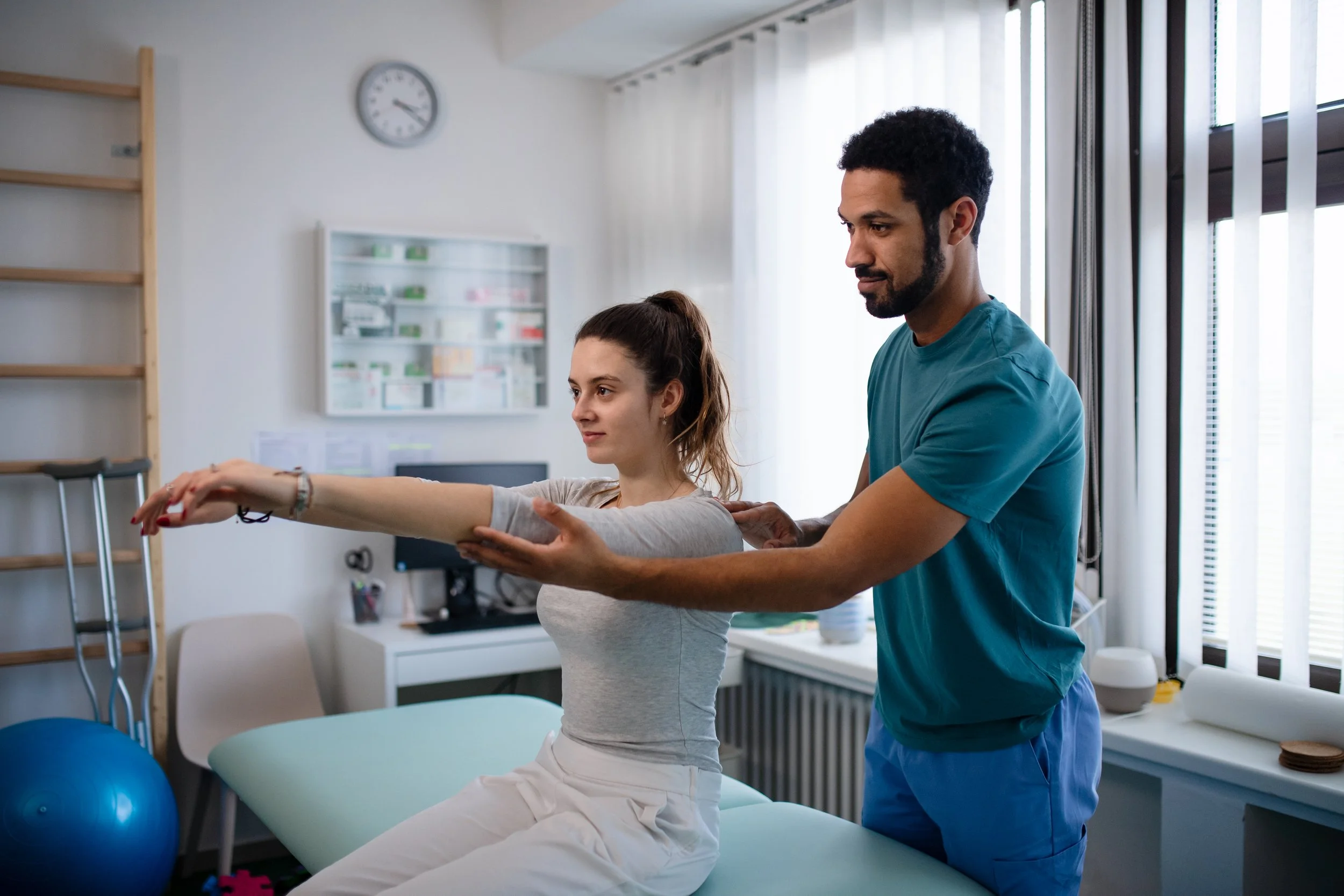
An adjustment can help get a joint moving better, but sometimes that's only part of the problem.
Maybe an area is weak. Maybe you have poor mobility somewhere else. Maybe you've developed habits or movement patterns that keep irritating the same area.
That's where exercise and rehabilitation can be useful.
I often incorporate individual stretches or exercises into a patient's regular chiropractic visits. For certain problems, I'll recommend a more structured rehab program.
The goal isn't to give you 20 exercises and hope you do them.
I'd rather give you a manageable program, teach you how to do it correctly, and make sure you understand what we're trying to accomplish.
Neck and Cervical Rehab
Think about how much time we spend looking down every day.
Phones. Computers. Laptops. Driving. Reading.
It's very common for patients to come into the office with neck stiffness, tightness, weakness, and difficulty maintaining a comfortable posture.
Our neck rehab focuses on improving mobility where you need it and strengthening the muscles that help support your head and neck.
I'll show you what to do, watch you perform the exercises, and make adjustments to the program based on how you're doing.
The goal isn't perfect posture every second of the day. It's giving your neck a better ability to handle what you ask it to do.
Mid-Back and Thoracic Rehab
The mid-back is another area that can get stiff from the way most of us live.
Hours spent sitting, driving, working at a computer, or looking down can leave the upper and mid-back feeling tight and restricted.
For these patients, we often work on improving movement through the thoracic spine while also strengthening the muscles around the upper back and shoulders.
This can be especially useful for patients who constantly feel like they need to stretch, straighten up, or pull their shoulders back.
Low Back and Lumbar Rehab
Low back pain is one of the most common problems we see.
There isn't one exercise that fixes every back problem, which is why I don't hand every patient the same generic sheet of low back exercises.
Depending on what I find during your examination, we may work on mobility, core strength, hip strength, stability, or a combination of those things.
The exercises should also make sense for your life.
Someone trying to get back to lifting weights may need something very different from someone whose main goal is being able to work in the yard or sit comfortably through a workday.
Shoulder Rehab
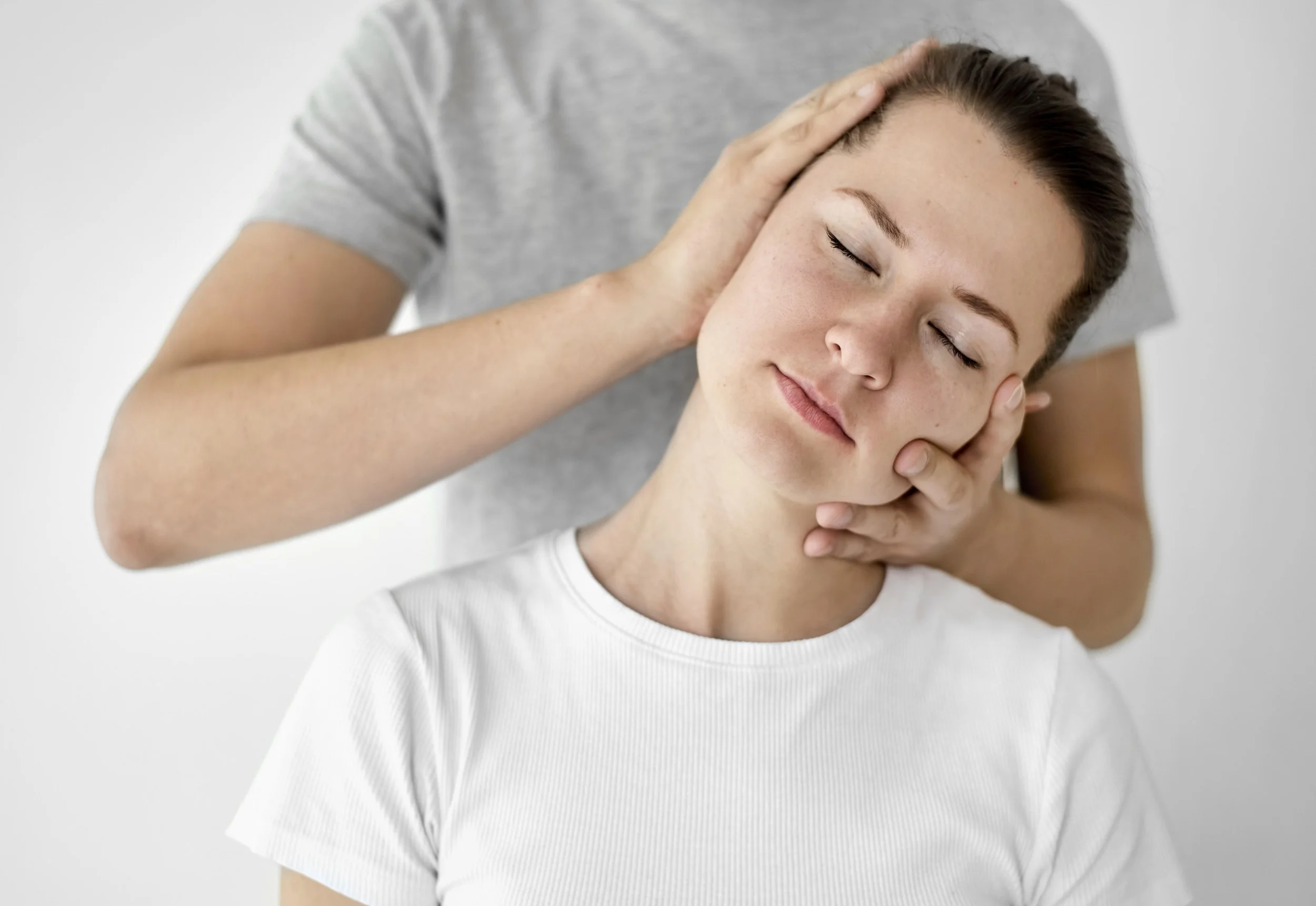
Shoulders are one of my favorite areas to rehab.
A lot of people don't immediately think of a chiropractor when they have a shoulder problem, but I've spent years developing and modifying the shoulder rehab program we use in our office.
The shoulder needs a combination of mobility, strength, and stability to function well.
Depending on the problem, we'll work on the shoulder itself along with the muscles around the shoulder blade and upper back.
Our shoulder program does require a little more equipment than some of our other rehab programs. I usually recommend having access to a few kettlebells or similar weights so you can eventually perform the exercises at home.
And just like our other programs, the goal is to teach you the program, not make you come into the office forever to perform it.
Rehab for Sports and Exercise Injuries
I work with a lot of active patients.
Some are competitive athletes. Some play recreational sports. Some run, lift weights, golf, or just like being active.
When you're trying to return to an activity, simply feeling less pain isn't always enough.
You also need to know whether the injured area can handle what you're about to ask it to do again.
That's where rehab can become particularly important.
We can gradually work on mobility, strength, and control based on the activity you're trying to return to.
Your goal matters. Getting someone back to sitting comfortably at a desk isn't the same thing as getting someone back to lifting, running, golfing, or playing a sport.
You Don't Need a Huge Home Gym
One thing I try to do is keep home rehab realistic.
If I give you a program that requires $1,000 worth of equipment and an hour every day, there's a pretty good chance it isn't going to happen.
Most of our programs use relatively simple equipment, such as:
- Exercise balls
- Foam rollers
- Resistance bands
- Kettlebells or dumbbells
- Your own body weight
I'll let you know what you actually need.
The best home program isn't the most complicated one. It's the one you understand and will actually do.
Rehab Is Often Only One Part of Treatment
Not every patient needs rehab, and rehab isn't necessarily the only treatment you'll receive.
Depending on what you're dealing with, we may combine exercises with chiropractic adjustments, massage therapy, soft tissue work, or other treatments available in the office.
We also have electrical stimulation and therapeutic ultrasound available when I think they're appropriate.
But you won't receive a treatment just because we happen to have it.
Everything we use should have a reason for being part of your care.
What Happens During a Rehab Visit?
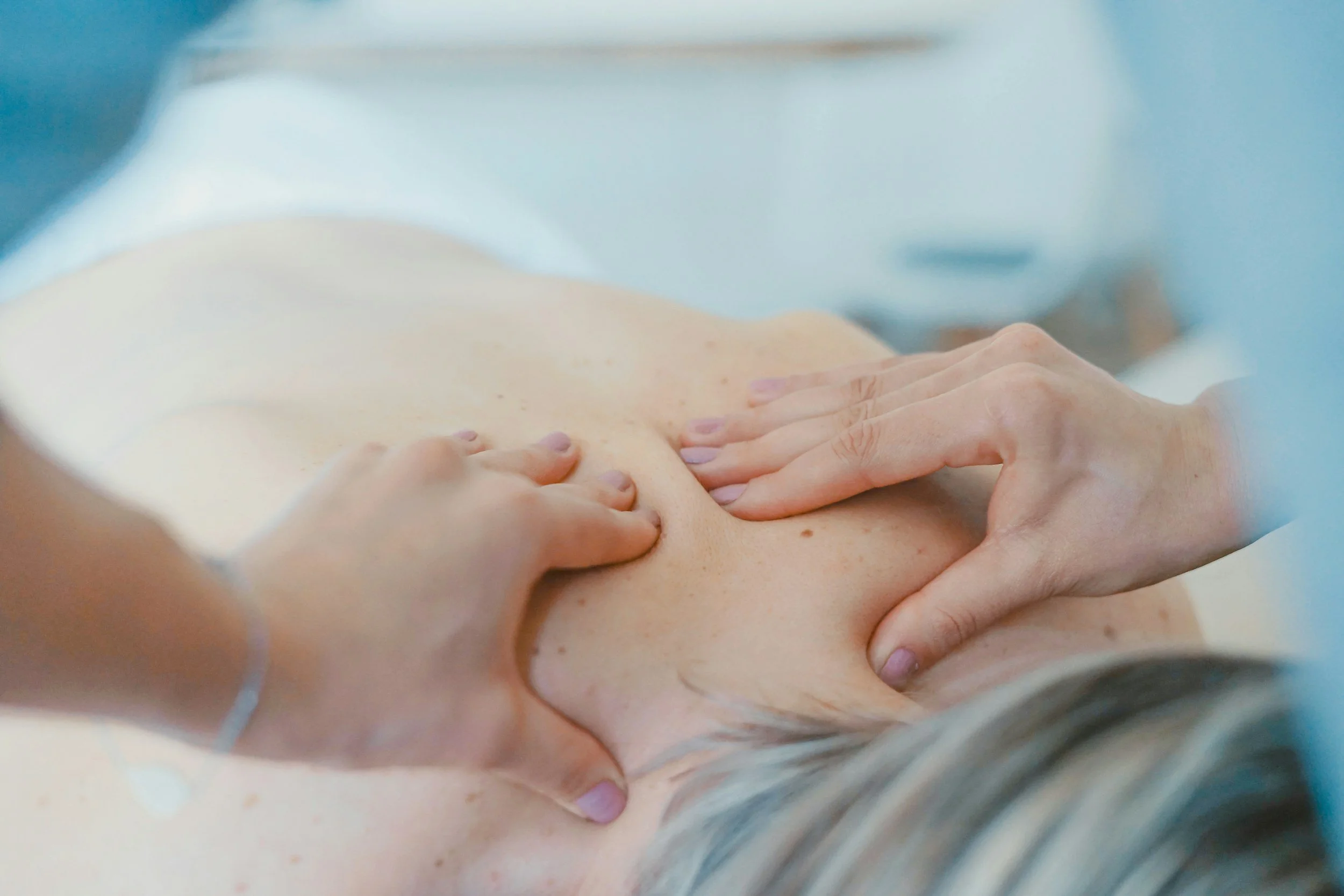
First, I'll show you the exercise and explain what we're trying to accomplish with it.
Then you'll do it.
That's important because watching an exercise and actually performing it correctly are two very different things.
I'll watch your form, make corrections, and modify the exercise if necessary. As you improve, we can progress the exercise or add something new.
For our structured rehab programs, this process typically takes about 4 to 6 in-office visits.
After that, if you're performing the exercises correctly and I'm comfortable with your progress, you'll continue them at home.
Frequently Asked Questions
Learn It Here. Continue It at Home.
I don't want you dependent on our office to exercise.
I want to figure out what you need, teach you how to do it correctly, and give you something useful that you can continue on your own.
That's really the whole philosophy behind our rehab programs.
Come in. Learn it. Get comfortable with it. Then take it home.