
Sciatica Treatment in Limerick, PA: What Causes It and How to Find Relief
· Keep It Kinetic Chiropractic
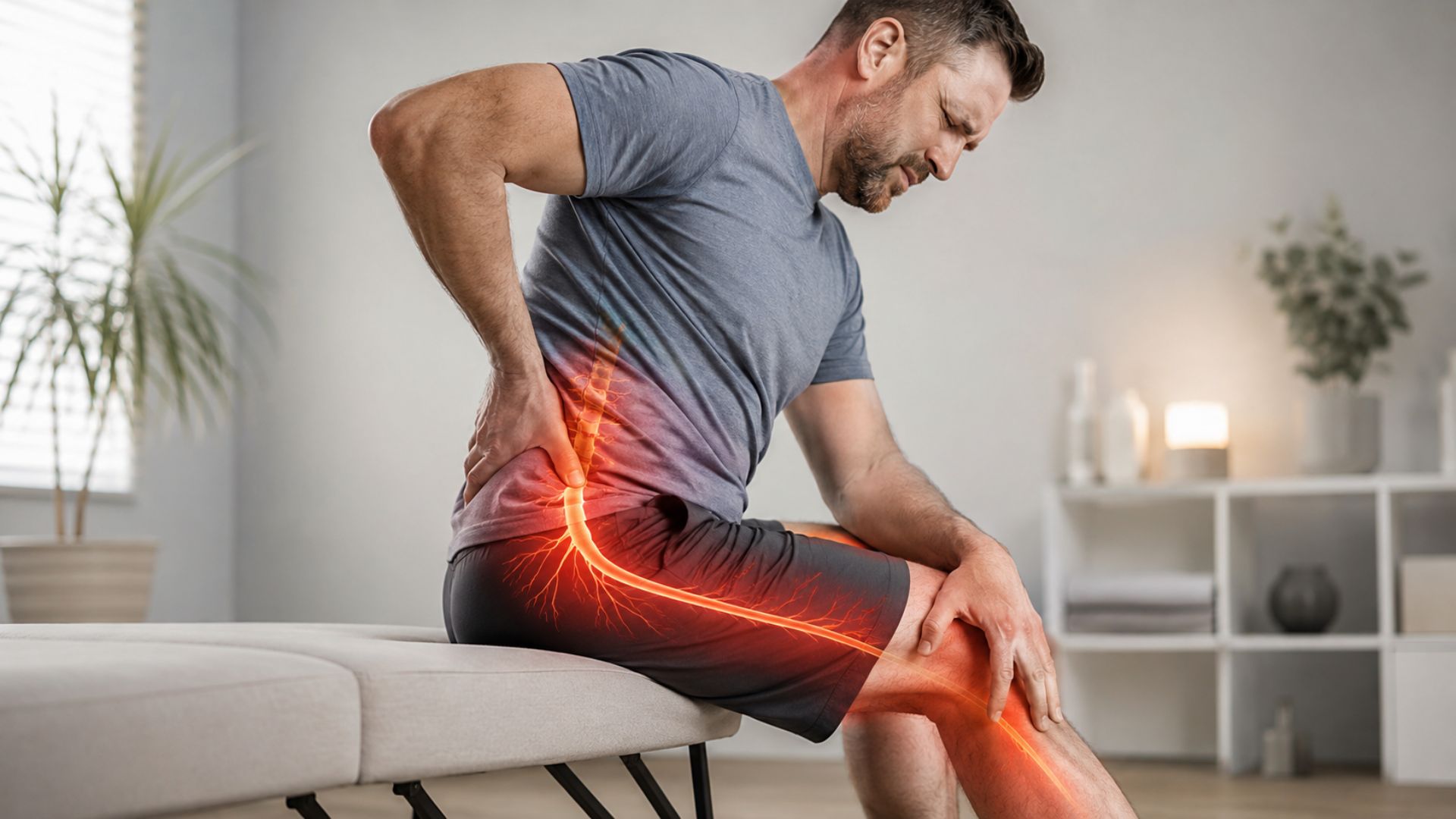
If you've ever experienced a sharp, shooting pain that starts in your lower back and travels down your leg, you may be dealing with sciatica. This common condition affects millions of people every year and can make simple daily activities—walking, sitting, driving, or even sleeping—uncomfortable.
The good news is that many cases of sciatica can be managed successfully without surgery. Understanding what's causing your symptoms is the first step toward finding lasting relief.
At Keep It Kinetic Chiropractic in Limerick, PA, we help patients identify the underlying cause of their sciatic nerve irritation and develop personalized treatment plans designed to reduce pain, restore movement, and improve quality of life.
What Is Sciatica?
Sciatica is not actually a condition itself—it's a symptom of irritation or compression affecting the sciatic nerve.
The sciatic nerve is the largest nerve in the body. It begins in the lower spine, travels through the hips and buttocks, and extends down each leg.
When this nerve becomes irritated, compressed, or inflamed, it can produce symptoms that range from mild discomfort to severe pain.
Common Symptoms of Sciatica
Sciatica symptoms vary from person to person but often include:
- Sharp pain that radiates from the lower back into the buttocks or leg
- Burning or tingling sensations
- Numbness in the leg or foot
- Muscle weakness
- Pain that worsens while sitting
- Difficulty standing or walking comfortably
- Pain that affects one side of the body
Some people describe sciatica as an electric shock-like sensation that travels down the leg.
What Causes Sciatica?
Several conditions can irritate or compress the sciatic nerve.
Herniated Disc
One of the most common causes of sciatica is a herniated or bulging disc in the lower spine. When the soft inner portion of a spinal disc pushes outward, it may place pressure on nearby nerves, including the sciatic nerve.
Degenerative Disc Changes
As we age, the spinal discs naturally lose hydration and flexibility. These age-related changes can contribute to narrowing around the nerve roots and increase the likelihood of sciatic symptoms.
Spinal Misalignment
Improper spinal mechanics may contribute to abnormal stress on surrounding structures, potentially leading to nerve irritation and inflammation.
Piriformis Syndrome
The piriformis muscle is located deep within the buttock. When it becomes tight or irritated, it can place pressure on the sciatic nerve and mimic traditional sciatica symptoms.
Spinal Stenosis
Spinal stenosis occurs when spaces within the spine narrow, creating pressure on nearby nerves. This condition becomes more common with age and may contribute to chronic leg pain.
Risk Factors for Developing Sciatica
Several factors may increase your risk of experiencing sciatic pain:
- Prolonged sitting
- Poor posture
- Repetitive lifting
- Excess body weight
- Sedentary lifestyle
- Occupations involving long periods of driving
- Previous back injuries
- Age-related spinal changes
Individuals who spend significant time at desks or behind the wheel often report recurring sciatic symptoms.
When Should You Seek Treatment?
While some mild cases improve with rest and conservative care, persistent symptoms should not be ignored. You should consider seeking professional evaluation if:
- Symptoms last longer than a few weeks
- Pain is interfering with daily activities
- Numbness or weakness develops
- Symptoms continue to worsen
- Recurring episodes become more frequent
Early intervention often helps prevent minor issues from developing into chronic problems.
How Chiropractic Care May Help Sciatica
Chiropractic care focuses on identifying and addressing mechanical issues that may contribute to nerve irritation and restricted movement.
A comprehensive evaluation may help determine whether spinal joint dysfunction, muscular imbalances, postural stress, or other biomechanical factors are playing a role in your symptoms.
Depending on your individual needs, treatment may include:
Chiropractic Adjustments
Gentle spinal adjustments are designed to improve joint mobility and support proper spinal function.
Soft Tissue Therapy
Muscles surrounding the lower back, hips, and pelvis may contribute to sciatic symptoms. Targeted soft tissue techniques may help reduce tension and improve mobility.
Corrective Exercises
Specific exercises may strengthen supporting muscles, improve flexibility, and help reduce recurring irritation.
Postural Recommendations
Poor posture often contributes to repetitive stress on the lower back. Ergonomic and lifestyle modifications may support long-term recovery.
Can Sciatica Go Away on Its Own?
Some mild cases may improve over time. However, treating only the symptoms without addressing the underlying cause often leads to recurring episodes.
Many patients find that understanding why the nerve is becoming irritated allows them to make lasting improvements that reduce future flare-ups.
Tips for Managing Sciatica at Home
While professional evaluation is important, these strategies may help reduce discomfort:
Stay Active
Extended bed rest may actually worsen symptoms. Gentle movement and walking are often beneficial.
Stretch Regularly
Appropriate stretching may help reduce tension in the lower back and hips.
Improve Sitting Posture
Maintain proper spinal alignment and avoid prolonged sitting whenever possible.
Alternate Positions
Changing positions frequently can help reduce pressure on irritated tissues.
Follow Professional Guidance
Every case is different. A personalized treatment approach is often more effective than generalized advice.
Finding Sciatica Relief in Limerick, PA
Sciatica can make everyday life challenging, but lasting relief often begins with identifying the root cause of the problem.
Whether symptoms stem from disc issues, spinal dysfunction, muscular tension, or postural stress, addressing the underlying factors may help improve mobility, reduce discomfort, and support long-term spinal health.
At Keep It Kinetic Chiropractic, we work with patients throughout Limerick and surrounding communities to develop individualized care plans focused on restoring movement and helping people get back to doing the activities they enjoy.
Frequently Asked Questions About Sciatica
Is walking good for sciatica?
In many cases, gentle walking may help improve circulation, reduce stiffness, and support recovery.
Can a chiropractor help with sciatica?
Many patients seek chiropractic care to address mechanical factors that may contribute to sciatic nerve irritation and mobility restrictions.
How long does sciatica usually last?
Duration varies widely depending on the underlying cause and severity of the condition.
What is the fastest way to relieve sciatica pain?
The most effective approach depends on the source of the nerve irritation. A proper evaluation can help determine the most appropriate treatment plan.
Related care at Keep It Kinetic
- Back Pain Treatment — How we evaluate and treat low back pain in Limerick & Pottstown.
- Disc Injuries — Care for bulging and herniated discs.
- Sciatica Relief — Targeted care for radiating leg pain.
- Rehab & Corrective Exercise
Further reading: NIH NIAMS: Back Pain