When Is Electric Muscle Stimulation the Right Choice for Acute Back or Neck Pain?
· Keep It Kinetic Chiropractic
Acute back or neck pain has a way of stopping everything. Getting out of bed, driving to work, picking up a child — a sudden muscle spasm or stubborn strain can put your whole week on pause. At Keep It Kinetic Chiropractic in Limerick, PA, one of the tools we use to help calm irritated muscles and support the healing process is electric muscle stimulation (EMS). But EMS is not a magic switch, and it is not the right first choice for every situation. Here is a closer look at when electric muscle stimulation for back pain and neck pain tends to help most — and how it fits into a broader chiropractic care plan.
What Is Electric Muscle Stimulation?
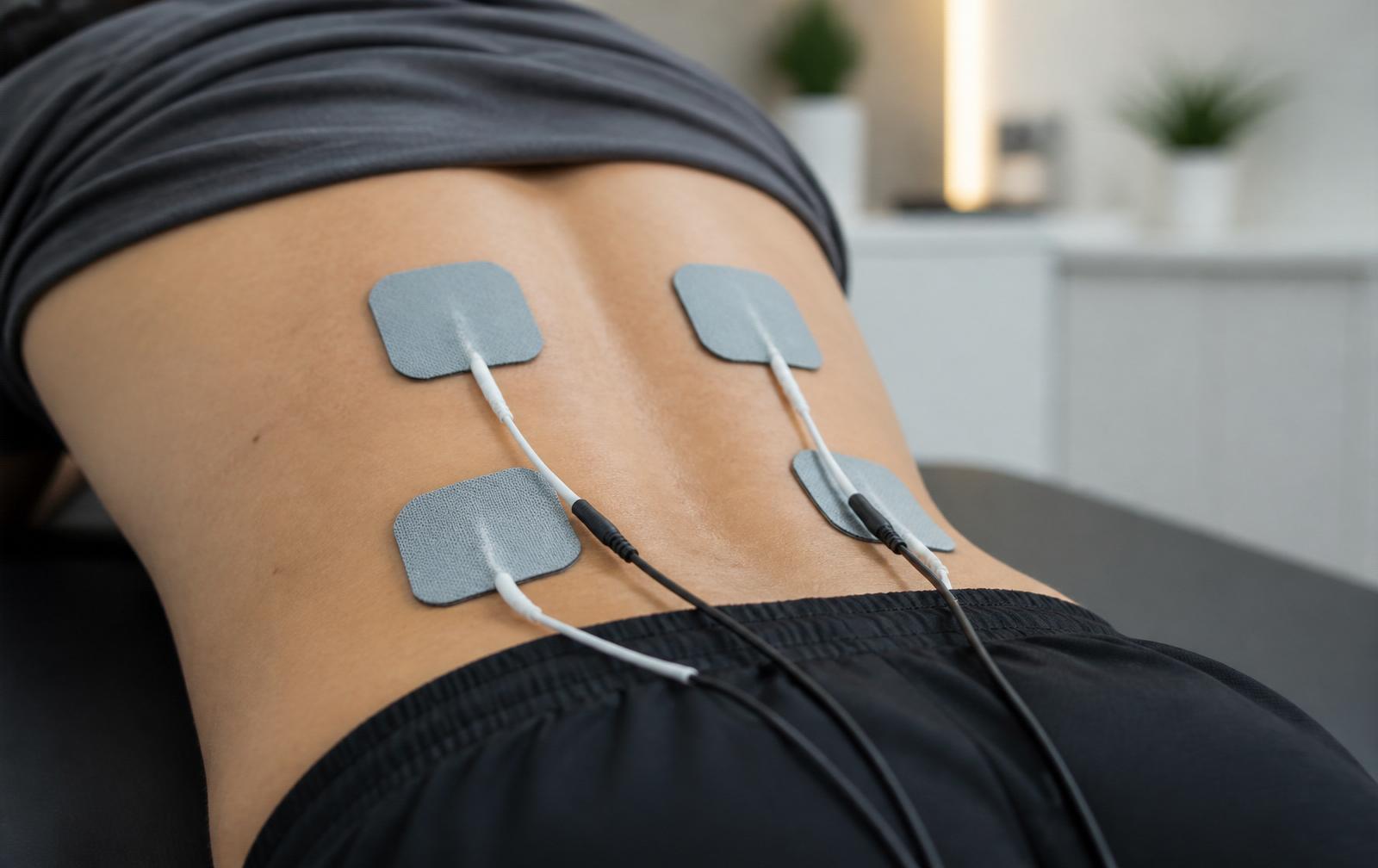
Electric muscle stimulation is a therapy that delivers low-level electrical currents through small pads placed on the skin over the muscles causing you trouble. Those currents cause the muscles to contract and relax in a controlled way, which can help decrease pain signals, reduce muscle guarding, and improve local circulation. The Cleveland Clinic explains that transcutaneous electrical nerve stimulation works by delivering low-voltage electrical currents that can interrupt pain signals and prompt the body to release its own natural pain-relieving chemicals.
Depending on the settings, EMS can feel like a light tingle, a gentle tapping, or a steady rhythmic squeeze. Your chiropractor adjusts the intensity to a level that is strong enough to be therapeutic but never uncomfortable.
When EMS Is a Strong Fit for Acute Back and Neck Pain
EMS tends to be most helpful when acute pain is being driven or amplified by muscle spasm, guarding, and inflammation around the spine. Common scenarios include:
- Sudden low back spasms after lifting, twisting, or a long day of sitting
- "Crick" in the neck after sleeping in an awkward position
- Post-injury muscle guarding following a minor whiplash or fall
- Flare-ups of chronic tension in the upper traps, mid-back, or lumbar region
- Pain that limits your ability to tolerate hands-on treatment at the start of a visit
In these cases, a short EMS session before or after a chiropractic adjustment can help the surrounding muscles relax, making the adjustment more comfortable and often more effective. The National Institute of Neurological Disorders and Stroke lists transcutaneous electrical nerve stimulation among the non-drug therapies commonly used to help manage back pain, especially alongside movement-based care.
When EMS May Not Be the Right First Choice
EMS is not appropriate for every situation. Your chiropractor will typically avoid or modify EMS if you:
- Have a pacemaker, implanted defibrillator, or other electrical implant
- Are pregnant (especially over the low back or abdomen)
- Have open wounds, active infection, or a skin condition over the treatment area
- Have known nerve damage or loss of sensation in the area
- Have a history of seizures or certain heart conditions
EMS also is not a substitute for a proper evaluation. Sudden, severe back or neck pain — especially with numbness, weakness, loss of bowel or bladder control, or pain after significant trauma — needs to be assessed promptly. Mayo Clinic outlines the back and neck pain symptoms that warrant prompt medical evaluation, including numbness, weakness, or pain following significant trauma.
How EMS Fits Into a Chiropractic Care Plan
At Keep It Kinetic Chiropractic, EMS is rarely used on its own. Instead, it is one piece of a plan that may also include:
- Chiropractic adjustments to restore joint motion in the spine and surrounding regions
- Massage and soft tissue work to address tight, overworked muscles
- Rehab and corrective exercises so the same problem is less likely to keep flaring up
- Ergonomic and lifestyle guidance to protect your back and neck between visits
For an acute episode, EMS is often used early in care to calm things down enough that gentle movement, stretching, and adjustments become tolerable. As pain settles, the focus shifts toward strengthening and long-term stability.
What a Typical EMS Session Looks Like
A session usually takes 10 to 15 minutes. Pads are placed on either side of the painful area — for example, along the lumbar spine for low back pain or across the upper traps for a stiff neck. You will feel a mild tingling that ramps up until it feels strong but comfortable. Most people find EMS relaxing; some even describe it as "the most relaxing part of the visit."
Afterward, your chiropractor may perform an adjustment, additional soft tissue work, or guide you through a few targeted movements. Many patients report feeling looser and moving more easily immediately after the combined session, though the full benefit typically builds over a series of visits.
Frequently Asked Questions
Does electric muscle stimulation hurt?
No. EMS should feel like a tingling, tapping, or rhythmic squeezing sensation. The intensity is adjusted to your comfort — it should never feel sharp or painful.
How quickly does EMS relieve back or neck pain?
Some people notice relief right after a single session, especially when muscle spasm is the main driver of their pain. For most acute episodes, benefits build over several visits combined with adjustments and rehab.
Can I use a home TENS unit instead of coming in?
Home units can be helpful for maintenance, but they do not replace an evaluation. For acute back or neck pain, an in-office assessment helps identify the underlying cause so treatment can address the root problem — not just the symptom.
How often can EMS be used?
Frequency depends on the condition. For an acute flare, sessions may be scheduled several times over a couple of weeks and then tapered as symptoms improve.
Is EMS covered by insurance?
Many plans cover EMS when performed as part of a chiropractic treatment plan for a documented condition. Our team is happy to help you understand your insurance benefits before starting care.
Get Evaluated for Your Back or Neck Pain in Limerick, PA
If a sudden back spasm or a stiff, painful neck is keeping you from your normal routine, you do not have to just wait it out. A focused evaluation at Keep It Kinetic Chiropractic can help determine whether electric muscle stimulation, chiropractic adjustments, soft tissue work, or a combination is the right next step for you. Contact our Limerick office to schedule a visit and get moving comfortably again.
Related care at Keep It Kinetic
- Back Pain Treatment — How we evaluate and treat low back pain in Limerick & Pottstown.
- Disc Injuries — Care for bulging and herniated discs.
- Sciatica Relief — Targeted care for radiating leg pain.
- Neck Pain Care
Further reading: NIH NIAMS: Back Pain