
Can Nutrition Help Reduce Inflammation That Contributes to Chronic Joint Pain?
· Keep It Kinetic Chiropractic
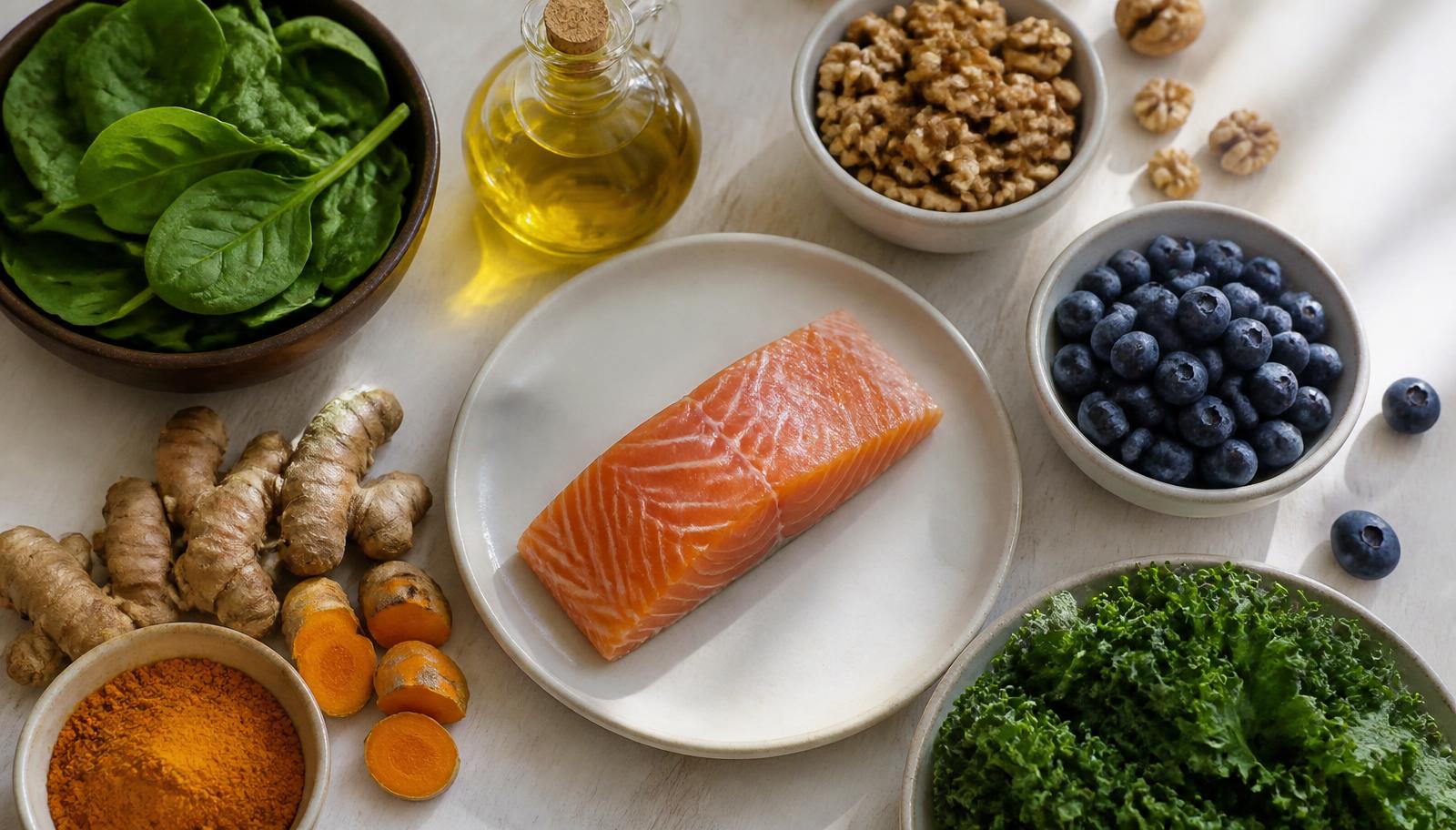
If your knees, hips, or low back ache most days, you've probably wondered whether what's on your plate matters. It does. Chronic joint pain is usually driven — at least in part — by low-grade inflammation, and nutrition for joint pain is one of the few levers you control three times a day. At Keep It Kinetic Chiropractic in Limerick, PA, we look at diet alongside hands-on care because calming inflammation makes every adjustment and rehab session work better.
How Inflammation Contributes to Chronic Joint Pain
Short-term inflammation is how your body heals. The problem is when it never switches off. Persistent inflammatory signaling keeps joint tissue irritated, sensitizes surrounding nerves, and slows recovery from everyday strain. That's part of why stiff mornings, flare-ups after a busy weekend, and pain that lingers long past an injury are so common in conditions like arthritis.
Diet influences that background level of inflammation. Highly processed foods, excess refined sugar, and heavy intakes of refined seed oils tend to push it up; whole foods rich in omega-3 fats, fiber, and antioxidants tend to pull it down.
Foods That May Help Reduce Joint Inflammation
- Fatty fish — salmon, sardines, and mackerel supply EPA and DHA omega-3s. The NIH Office of Dietary Supplements outlines their role in the body and realistic expectations for supplements.
- Colorful produce — berries, leafy greens, and cruciferous vegetables deliver polyphenols and vitamin C used in collagen repair.
- Olive oil, nuts, and seeds — a Mediterranean-style fat profile instead of fried and ultra-processed options.
- Turmeric and ginger — commonly used for joint discomfort; see NIH NCCIH on turmeric for what the evidence does and doesn't show.
- Fiber-rich whole grains and legumes — support gut health and steadier blood sugar.
For a practical framework rather than a restrictive plan, this Harvard review of the Mediterranean diet is a solid starting point — it is the eating pattern most often studied for inflammation and joint health.
What to Cut Back On
You don't need a perfect diet. Most patients feel a difference by trimming a few high-impact items: sugar-sweetened drinks, packaged snacks and fast food, alcohol in excess, and very large portions of processed meat. Body weight matters too — every extra pound multiplies load through the knees and hips, so gradual weight management often reduces joint pain on its own.
Nutrition Works Best Alongside Chiropractic Care
Food can quiet inflammation, but it can't restore a joint that isn't moving well. That's the mechanical side. Chiropractic adjustments address joint fixations and restore mobility, while targeted rehab and corrective exercise builds the strength that keeps joints tracking properly between visits. Layer better nutrition on top and you're addressing both the chemistry and the mechanics of chronic pain.
If you'd like a plan tailored to your labs, medications, and goals, our nutritional therapy visits go deeper than generic advice — including which supplements are actually worth your money.
Simple Place to Start This Week
- Eat fish twice a week.
- Add one vegetable or piece of fruit to two meals a day.
- Swap sweetened drinks for water.
- Walk 20–30 minutes daily — movement is anti-inflammatory too.
Talk With Dr. Kyle About Your Joint Pain
Chronic joint pain rarely has a single cause, and it rarely has a single fix. If you're in Pottstown, Limerick Township, or the surrounding area and want help sorting out what's driving your pain, contact our office and we'll walk through your options — no contracts or long care plans required.
This article is for general education and isn't medical or nutritional advice for your individual situation. Talk with your provider before making significant dietary or supplement changes, especially if you take prescription medications.
Related care at Keep It Kinetic
- Back Pain Treatment — How we evaluate and treat low back pain in Limerick & Pottstown.
- Disc Injuries — Care for bulging and herniated discs.
- Sciatica Relief — Targeted care for radiating leg pain.
- Knee Pain Care
Further reading: NIH NIAMS: Back Pain