
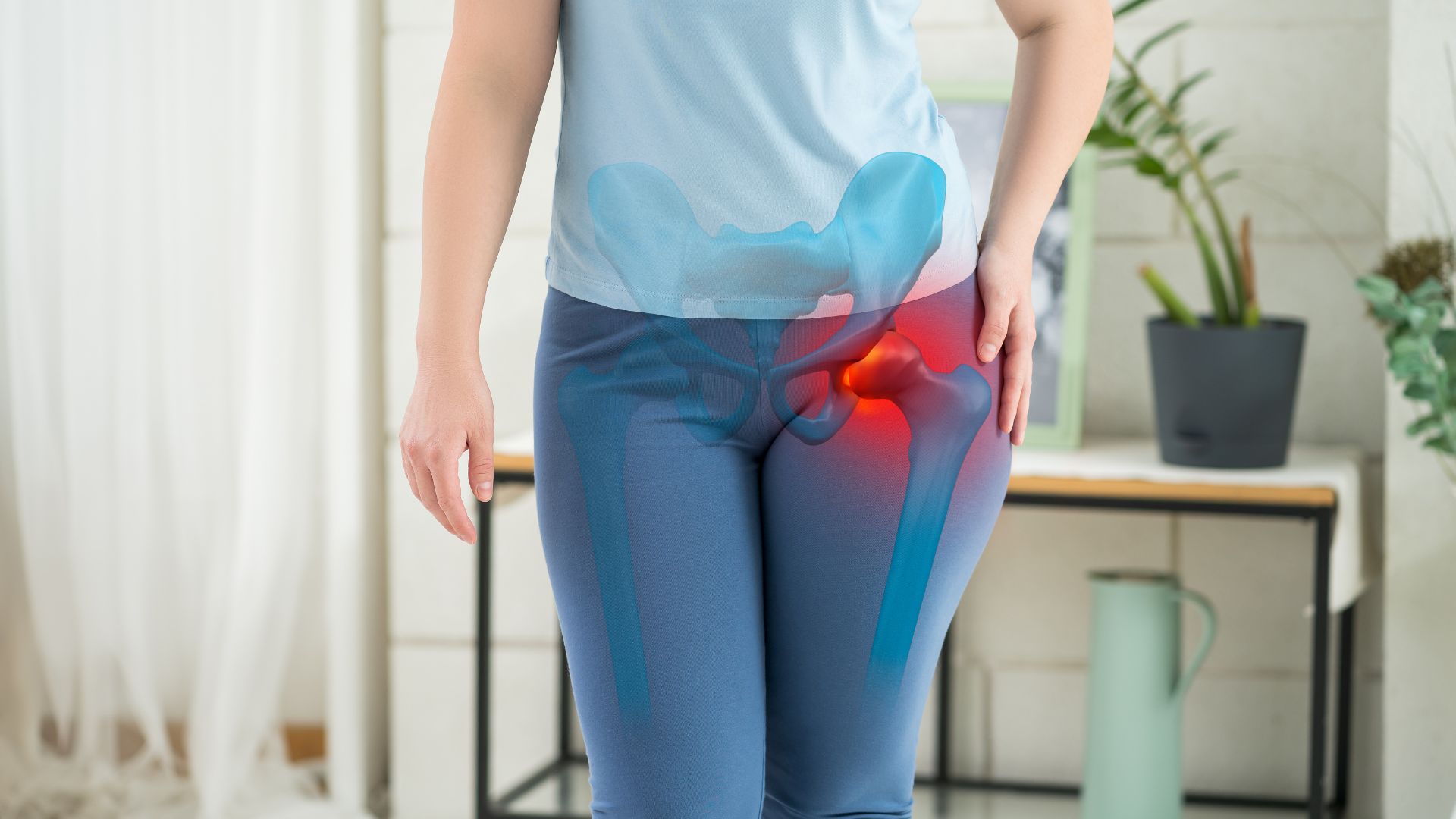
Hip pain can make everyday activities more difficult than they should be. Whether you're having trouble walking up stairs, getting out of your car, exercising, or finding a comfortable position to sleep, discomfort around your hip can be surprisingly limiting.
Sometimes hip pain begins after an injury or an increase in activity. Other times, it gradually develops without an obvious cause. You might feel pain deep in the front of your hip, along the outside of your leg, or toward your buttock and lower back.
At Keep It Kinetic Chiropractic, we help patients throughout Limerick, Royersford, Pottstown, and surrounding communities manage hip pain and improve mobility. Our approach focuses on identifying what's contributing to your symptoms and recommending the right combination of chiropractic care, soft tissue treatment, and rehabilitation.
Common Causes of Hip Pain
The hip is a large ball-and-socket joint surrounded by muscles, tendons, ligaments, and other tissues that help support your body during everyday movement.
Because several different structures can cause discomfort in this area, the location of your pain often provides useful clues.
Hip Arthritis
Osteoarthritis is a common cause of hip pain, particularly in middle-aged and older adults.
It involves changes in the cartilage and other tissues within the hip joint and can contribute to stiffness, reduced mobility, and discomfort during weight-bearing activities.
Patients with hip arthritis often experience pain deep in the groin or front of the hip, although symptoms can sometimes extend into the thigh or knee.
Arthritis cannot be reversed through chiropractic treatment, but appropriate exercise, mobility work, and conservative care may help improve comfort and function.
Hip Bursitis and Gluteal Tendinopathy
Pain along the outside of the hip is frequently described as hip bursitis.
While irritation of the bursa can contribute, many cases involve the gluteal tendons, which help support and stabilize the hip.
This group of conditions is often referred to as greater trochanteric pain syndrome.
Patients commonly notice pain when lying on the affected side, walking for extended periods, climbing stairs, or standing on one leg.
Rehabilitation focusing on appropriate strengthening and activity modifications can be particularly helpful for this type of hip pain.
Muscle Strains and Tendon Injuries
The muscles surrounding your hip can become painful following sudden movements, sports injuries, or changes in physical activity.
Hip flexor strains, groin strains, and other muscle or tendon problems may cause discomfort when walking, running, lifting your leg, or exercising.
Treatment depends on the tissues involved and the severity of the injury.
Hip Impingement and Labral Injuries
Femoroacetabular impingement, commonly called hip impingement, involves certain shapes of the hip joint that may contribute to painful contact during movement.
Some patients also develop injuries involving the labrum, a ring of cartilage that helps support the hip joint.
These problems can sometimes produce deep groin pain, catching sensations, or discomfort during activities involving hip flexion and rotation.
Not every structural abnormality causes symptoms, and certain cases may require orthopedic evaluation.
Pain Referred From the Lower Back
Sometimes pain that feels like it's coming from the hip actually originates elsewhere.
Problems involving the lumbar spine or nearby nerves can cause discomfort that travels into the buttock, outer hip, or thigh.
This is one reason we evaluate surrounding areas when necessary rather than automatically assuming every hip complaint originates from the hip joint itself.
Common Symptoms of Hip Problems
Depending on the underlying cause, hip symptoms may include:
- Aching or sharp pain in the groin, outer hip, or buttock
- Pain when walking, climbing stairs, or standing for extended periods
- Difficulty sleeping on the affected side
- Stiffness when getting out of a chair or car
- Reduced flexibility or range of motion
- Clicking, catching, or discomfort with certain movements
- Weakness or difficulty balancing on one leg
- Pain that extends into the thigh or knee
Most gradual-onset hip pain isn't an emergency. However, severe pain after a fall, inability to bear weight, or a visibly deformed hip requires immediate medical evaluation.
A hot, swollen joint, especially with fever or feeling unwell, also requires urgent medical assessment.
How We Treat Hip Pain at Keep It Kinetic Chiropractic
Our first step is figuring out what's causing your symptoms.
We'll discuss where your pain occurs, how it started, which activities make it worse, and how it's affecting your daily routine.
Your examination may include evaluating hip mobility, strength, walking mechanics, and nearby areas such as your lower back when appropriate.
From there, we'll determine whether conservative chiropractic treatment is suitable or if additional testing or medical evaluation would be more beneficial.
Depending on your condition, treatment may include:
Chiropractic Adjustments and Joint Mobilization
Certain hip problems can be accompanied by restricted joint mobility or stiffness that makes movement uncomfortable.
When appropriate, chiropractic adjustments or gentle joint mobilization may help improve mobility and reduce associated discomfort.
We may also evaluate the lower back or sacroiliac region if your examination suggests these areas are contributing to your symptoms.
The goal isn't to force your hip into perfect alignment. It's to improve comfortable movement when joint restrictions are part of the problem.
Not every hip condition is appropriate for manipulation, particularly when significant structural damage or an acute injury is suspected.
Therapeutic Exercise and Rehabilitation
Strengthening and rehabilitation are important components of managing many hip conditions.
Depending on your symptoms, we may recommend exercises targeting the gluteal muscles, hip flexors, and other muscles that help control movement around the pelvis and hip.
For patients with hip arthritis, appropriate strengthening and mobility exercises can help improve function and make everyday activities easier.
For those with outer hip pain involving the gluteal tendons, rehabilitation may focus on gradually increasing the tendons' ability to tolerate walking, climbing stairs, and other activities.
Exercises are selected based on your condition and progressed as your symptoms and strength improve.
Our goal is to help you become more comfortable and confident with movement, including activities you can continue independently at home.
Massage and Soft Tissue Therapy
Hip pain is sometimes accompanied by tightness, tenderness, or discomfort in the surrounding muscles.
Massage therapy and other soft tissue techniques may help manage associated muscle pain and improve short-term comfort.
Depending on your examination findings, treatment may involve muscles around the hip, thigh, or lower back.
These techniques don't reverse arthritis or repair damaged cartilage, but they may be useful as part of a broader treatment approach.
Activity Modifications and Home Care
Sometimes relatively small changes to your daily activities can help manage hip discomfort while you recover.
For example, someone experiencing outer hip pain may benefit from temporarily avoiding prolonged pressure on the affected side while sleeping.
Patients with hip arthritis may benefit from maintaining regular low-impact activity, while someone recovering from a tendon injury may need to gradually adjust their exercise intensity.
We'll discuss practical recommendations based on your individual symptoms and goals.
Why Does Hip Pain Sometimes Keep Coming Back?
Recurring hip pain can develop for several reasons, and the explanation isn't always as simple as a joint being out of alignment.
Some patients have ongoing tendon irritation or weakness that becomes noticeable when their activity levels increase. Others experience stiffness and discomfort associated with arthritis or limitations in hip mobility.
For certain conditions, symptoms can improve before strength and activity tolerance have fully recovered.
That's why our goal isn't simply to reduce pain during an appointment. We also want to identify limitations that may be contributing to your symptoms and help you manage them outside the office.
Not everyone needs ongoing chiropractic treatment. Some patients respond well to a short course of care and an appropriate exercise program, while others with more complicated problems may require additional rehabilitation or medical management.
Meet Dr. Kyle Kopicki!
Dr. Kyle Kopicki is dedicated to providing personalized, effective hip pain relief solutions. His extensive background in chiropractic care and exercise science allows him to develop targeted treatment plans that address each patient's specific needs.
Schedule a consultation with Dr. Kopicki today to learn how he can help you alleviate your hip pain and restore your mobility.
"Dr. Kopicki is just amazing!" — Cathleen C
"I have been a patient of Dr. Kyle for 5 years. He has helped me so much managing my chronic pain from scoliosis and hip misalignment." — Julia E
"Dr. Kyle is very friendly and honest with his assessment." — Roy A
Frequently Asked Questions About Hip Pain
Can a chiropractor help with hip pain?
Chiropractic care may help manage certain types of musculoskeletal hip pain, particularly when symptoms involve joint stiffness, muscle discomfort, or mobility limitations. Treatment may include joint mobilization, adjustments, soft tissue therapy, and rehabilitation exercises. The appropriate approach depends on the underlying cause of your symptoms.
Why does my hip hurt when I sleep on my side?
Pain along the outside of the hip when lying on that side is commonly associated with greater trochanteric pain syndrome, which often involves irritation of the gluteal tendons. Reducing direct pressure on the affected area and appropriate rehabilitation may help, although other hip conditions can cause nighttime discomfort.
How do I know if my hip pain is coming from my back?
Pain originating from the lower back can sometimes travel into the buttock, hip, or thigh. Symptoms such as numbness, tingling, or pain associated with certain spinal movements may suggest nerve or back involvement. An examination can help determine which structures are most likely contributing.
Can exercise help hip arthritis?
Yes. Appropriate strengthening, mobility exercises, and regular physical activity are important parts of managing hip osteoarthritis. Exercise cannot reverse structural changes within the joint, but it can help improve mobility, strength, and daily function.
Get Help With Hip Pain in Limerick, PA
Whether you're experiencing pain when walking, difficulty sleeping on your side, or recurring stiffness around your hip, we're here to help you better understand what's going on.
At Keep It Kinetic Chiropractic, we'll evaluate your symptoms, explain our findings, and recommend treatments based on your individual needs. If your condition requires additional medical evaluation or another form of treatment, we'll help you understand those options.
Our goal is to help you move more comfortably and return to the activities you enjoy without unnecessary treatment plans or promises we can't support.
Schedule an appointment online or call/text us at 484-455-4664 to get started.
Ready to feel better?
Book online with Keep It Kinetic or call our Limerick office — we'll get you on the schedule.