
Our Services
Therapeutic Ultrasound
No, This Isn't the Ultrasound That Takes Pictures
When patients hear "ultrasound," they usually think of the kind used during pregnancy or to take images inside the body.
Therapeutic ultrasound is different.
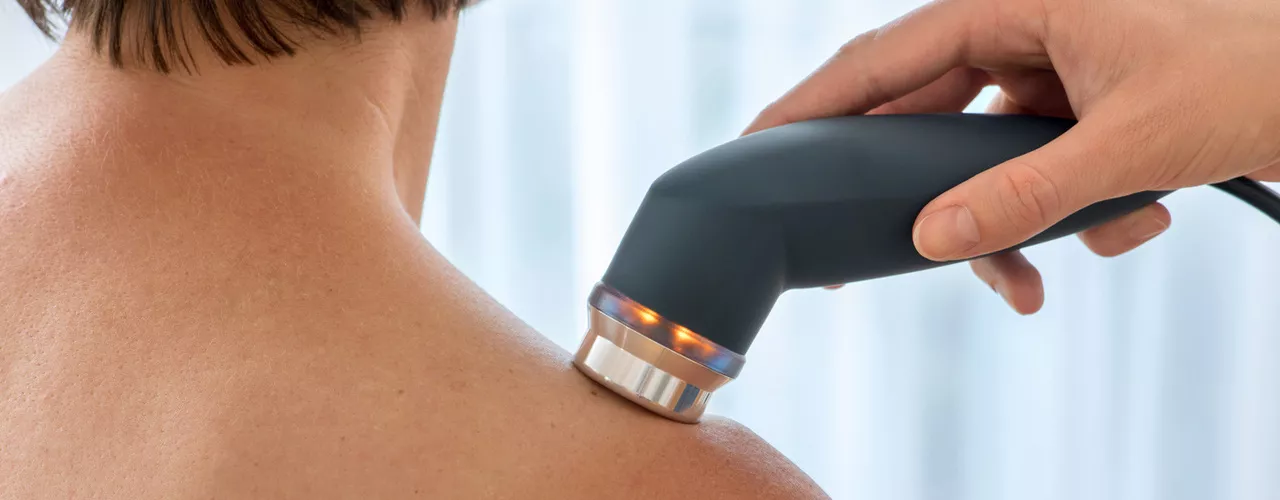
This is a treatment we can use for certain muscle, tendon, and other soft tissue problems. Instead of creating an image, the machine sends sound waves into the area we're treating.
It's painless, only takes a few minutes, and is usually something I'll add to the rest of your treatment when I think it makes sense.
Not every patient needs it, and that's okay.
What Is Therapeutic Ultrasound?
Therapeutic ultrasound uses high-frequency sound waves that you can't hear.
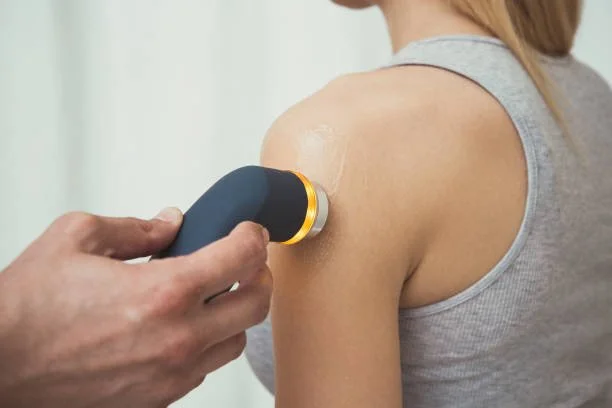
I'll put a small amount of ultrasound gel on your skin and move the treatment head continuously over the area we're working on.
The gel isn't anything special. It's simply there to help the ultrasound head move across your skin and transmit the sound waves properly.
Depending on the settings and what we're treating, you may feel a little warmth.
Most of the time, though, you really don't feel much of anything.
What Do We Use Ultrasound For?
I tend to think of therapeutic ultrasound more for certain soft tissue and tendon problems than as a general treatment everyone receives.
Some examples of areas or problems where I may consider using it include:
- Tendon problems
- Muscle strains
- Sprains
- Bursitis
- Shoulder problems
- Elbow and forearm problems
- Achilles and other lower-leg problems
- Sports and exercise-related injuries
- Other irritated soft tissues
That doesn't mean everyone who comes in with one of these problems automatically gets ultrasound.
First we need to figure out what's actually going on.
Then I'll decide whether ultrasound is something worth adding.
What Does It Feel Like?
Honestly, not much.
I'll apply some gel to the area and continuously move the ultrasound head across your skin.
You may notice some mild warmth, but therapeutic ultrasound shouldn't hurt.
In fact, compared with some of the other treatments we offer, it's pretty uneventful from the patient's perspective.
You lie there. I move the ultrasound head around for a few minutes. That's about it.
And that's perfectly fine.
A treatment doesn't need to feel dramatic to have a reason for using it.
Why Would You Use Ultrasound Instead of Graston?
This is actually a good question because we have several different ways to work with soft tissue in our office.
IASTM or Graston Technique is a hands-on treatment using stainless-steel instruments. Massage is another hands-on option. Rehab may be important when strength or movement needs to be addressed.
Ultrasound is simply another option.
Which one I use depends on what we're treating, how irritated the area is, where you are in the recovery process, and how you've responded to treatment.
Sometimes I may use more than one.
Sometimes ultrasound isn't necessary at all.
Having more treatment options doesn't mean you need all of them. It means I have choices.
Ultrasound Is Usually Only Part of the Treatment
If you come in with an injured shoulder or an irritated tendon, I'm probably not going to put ultrasound on it for a few minutes and tell you we're done.
We still need to address the actual problem.
Depending on what's going on, your treatment might include:
- Chiropractic adjustments
- Rehabilitation exercises
- IASTM or Graston Technique
- Massage therapy
- Therapeutic ultrasound
- Kinesio tape
- Other treatments available in the office
The combination will be different from patient to patient.
That's one of the advantages of having all of these options available in one office.
I can pick what I think makes sense instead of trying to treat every problem the same way.
What Happens During an Ultrasound Treatment?
There's really not much preparation involved.
I'll expose the area we're treating and apply ultrasound gel directly to the skin.
Then I'll place the ultrasound head against the area and keep it moving throughout the treatment.
The settings can be adjusted depending on the area and what we're trying to accomplish.
Treatment usually only takes a few minutes and is incorporated into the rest of your appointment.
When we're finished, we wipe off the gel and move on to whatever comes next.
Simple.
Will I Get Ultrasound at Every Visit?
Probably not.
Like EMS, I don't consider therapeutic ultrasound something that automatically needs to be done at every appointment.
I use it when I think it adds something useful to the treatment we're already doing.
As the problem changes or improves, we may stop using it.
Or I may decide another treatment makes more sense.
We don't add therapies just to make your treatment look more complicated.
If there's a reason to use something, we'll use it.
If there isn't, we won't.
Frequently Asked Questions
Another Option When We Need It
Therapeutic ultrasound isn't the star of the show.
It's one of the tools I have available.
For certain muscle, tendon, and soft tissue problems, there may be a reason I want to add it to what we're already doing.
If I think it'll be useful, I'll explain why and we'll use it.
If you don't need it, I'm not going to put ultrasound on you just because there's an ultrasound machine sitting in the office.
That's really it.